Every pair below came out of this site. Original on the left, result on the right, nothing retouched and nothing cherry-picked. The source material is public-domain historical photography; the credit and licence sit under each pair.
One photograph, only the target age changed
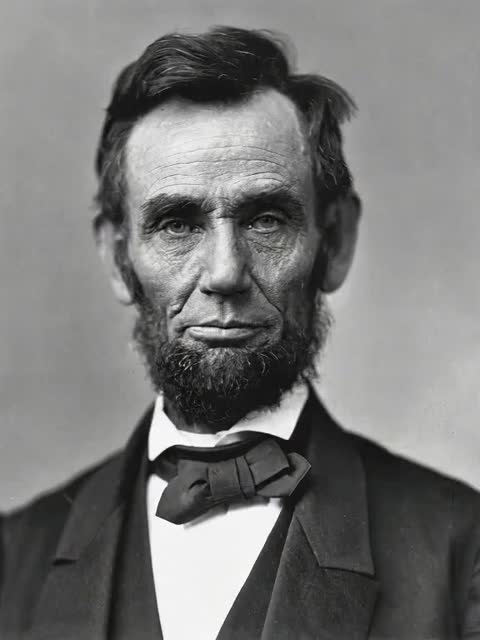
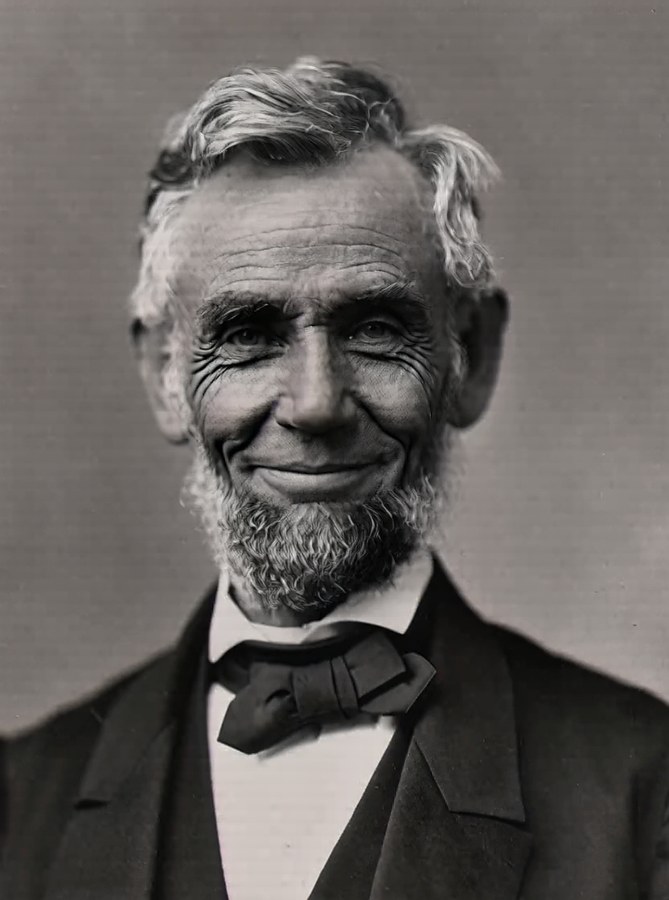
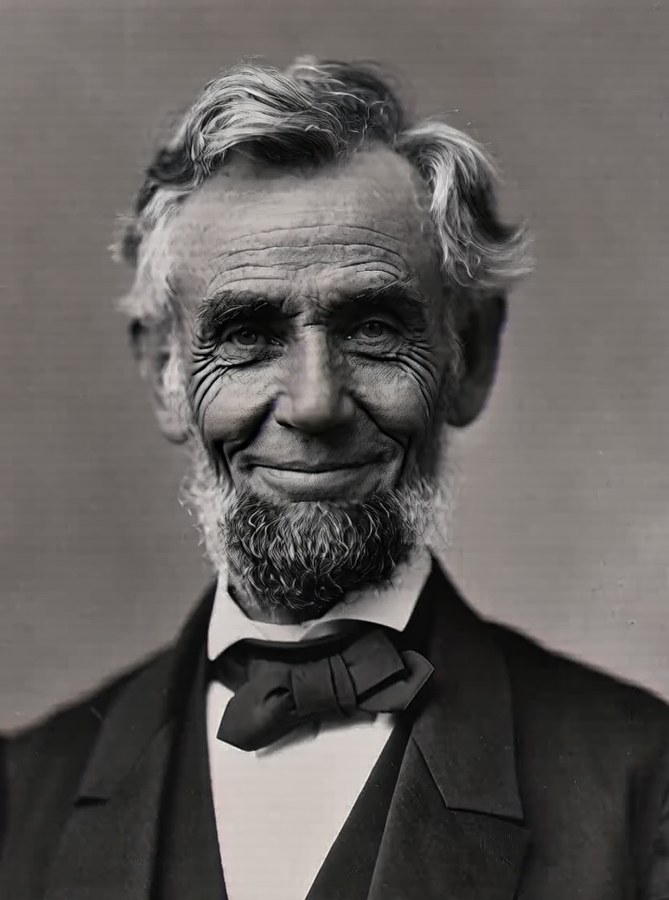
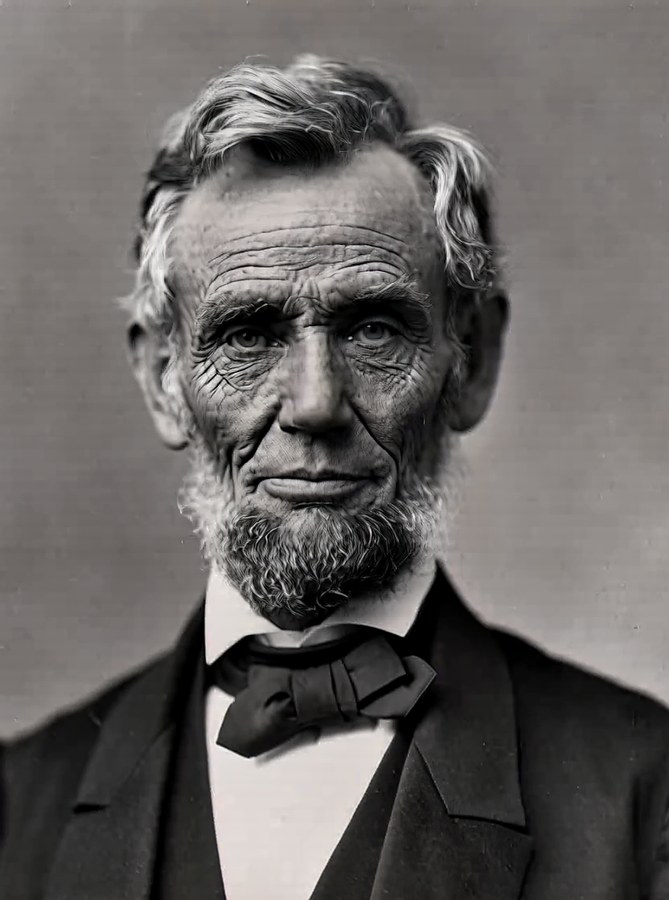
These three use the same 1863 portrait of Lincoln and the same settings. The only difference is the age asked for. Side by side you can see how the gap in years turns into change on the face.
Other results
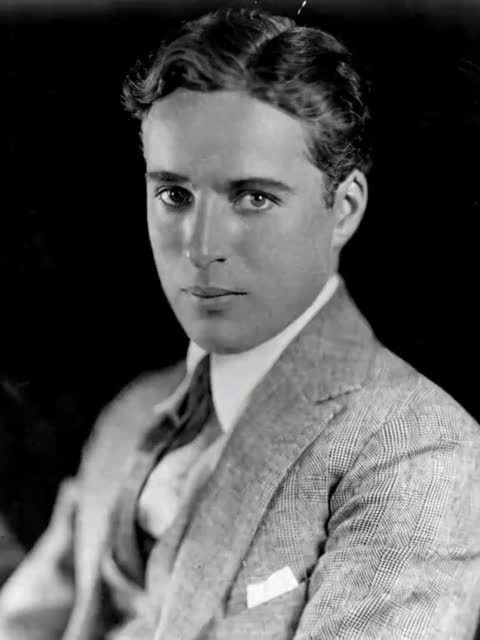
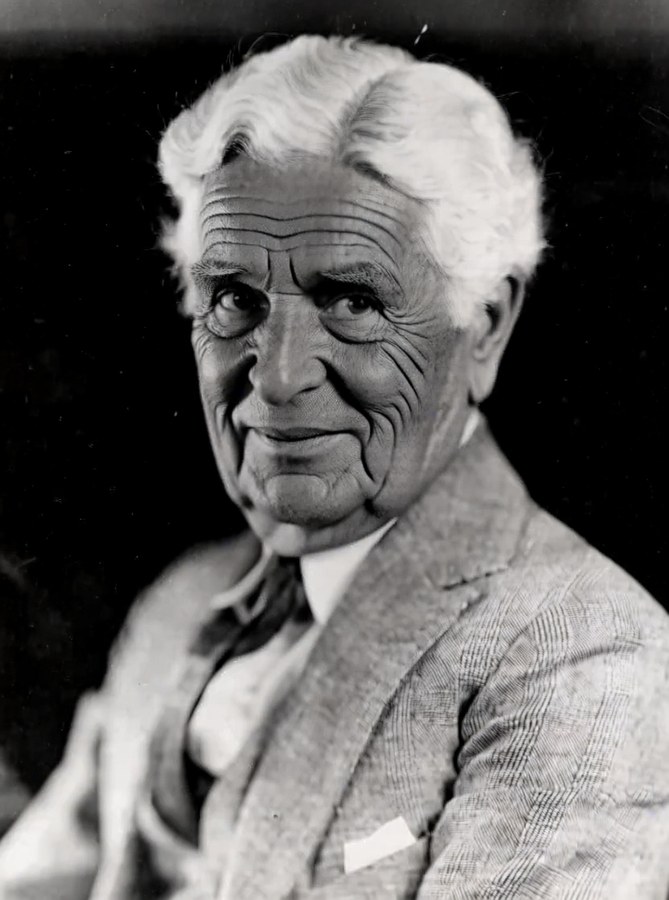
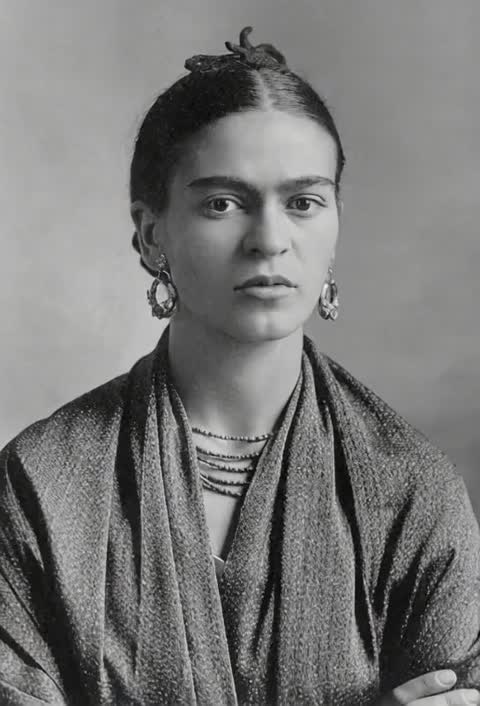
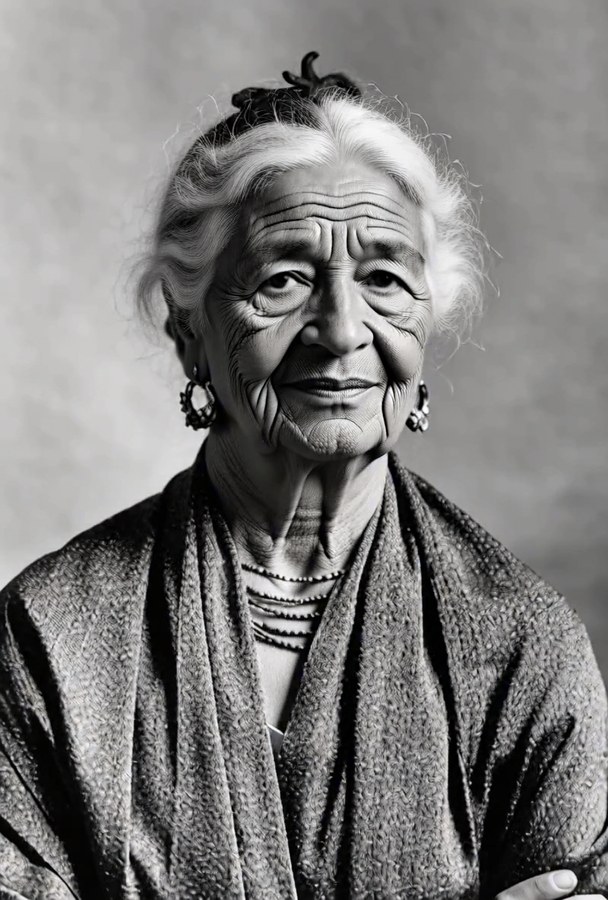
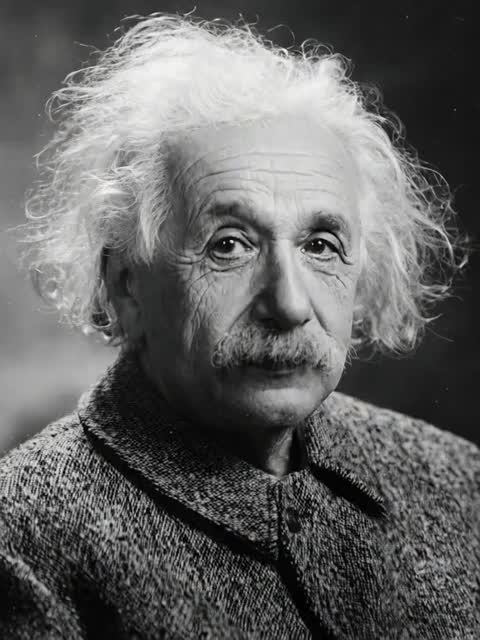
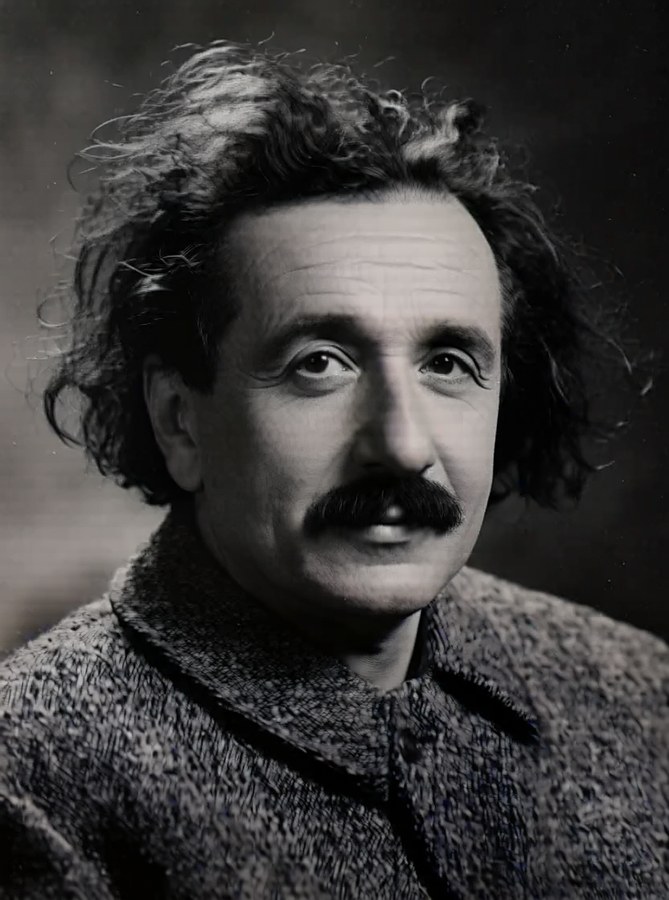
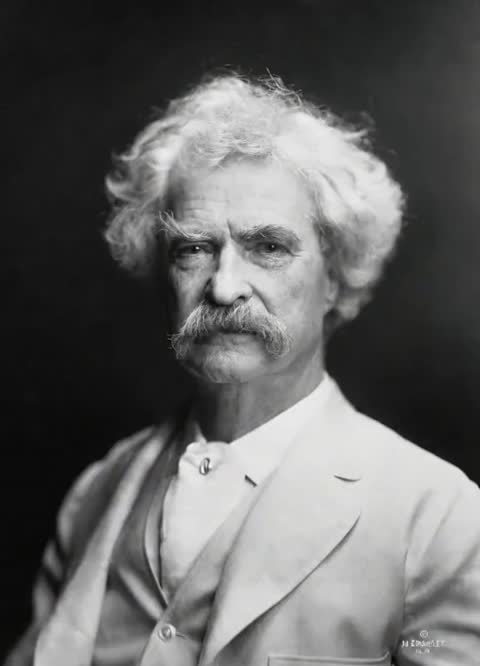
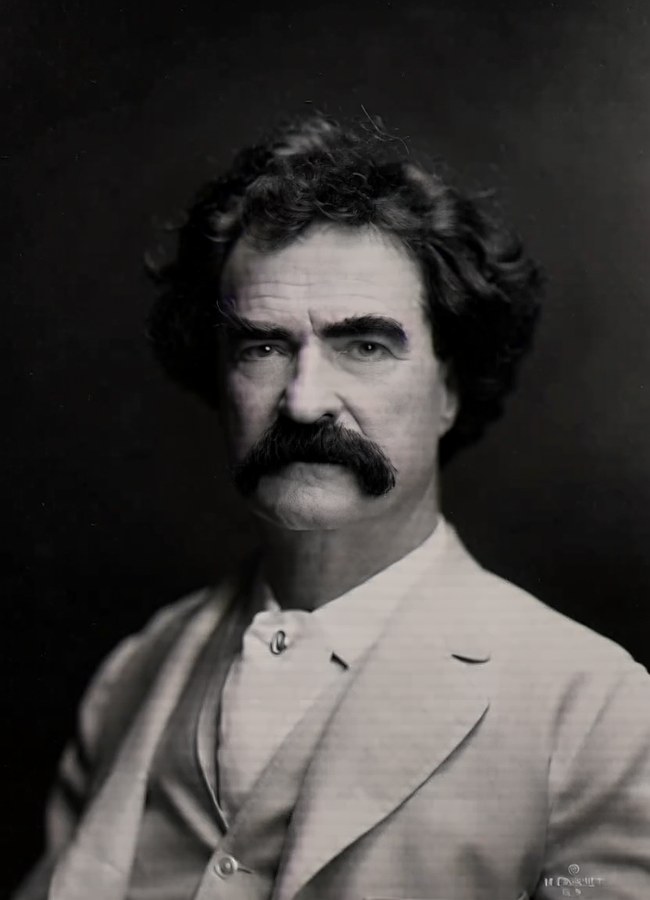
One limitation this set shows
In the Lincoln set, the 68 and 75 year versions are more relaxed than the original: the eyes narrow slightly and the mouth turns up. The original is stern and that should not have changed.
The instructions already say that the expression, eyes and mouth must match the original, and that lines are carved into the skin rather than smiled into it. Adding a harder version of that rule (do not narrow the eyes, do not smile if the original is not smiling) produced the same result on the same random seed. So the problem is not the wording. The model drifts a little at this fidelity setting.
The 85 year version kept the stern expression, so it is not tied to how large the change is. It looks random. If the expression wanders, run it again — each generation uses a different seed.
What to look at
- Whether the bone structure moved The shape and spacing of the eyes, the shape of the nose and the outline of the face should be identical. Only skin, slackening and hair colour change. This is the most reliable way to judge whether it is still the same person
- Whether the background and clothing changed They should not have. The instructions require the camera, lighting, background and clothing to stay put
- Whether the beard and eyebrows survived This used to be a problem: push the going-younger instruction hard enough and the model treats a moustache as something to smooth away. There is now a line specifically holding it in place