The photographs that fail have things in common. Rather than let you find out the hard way, the broken results are here. One look and you will know whether yours will work.
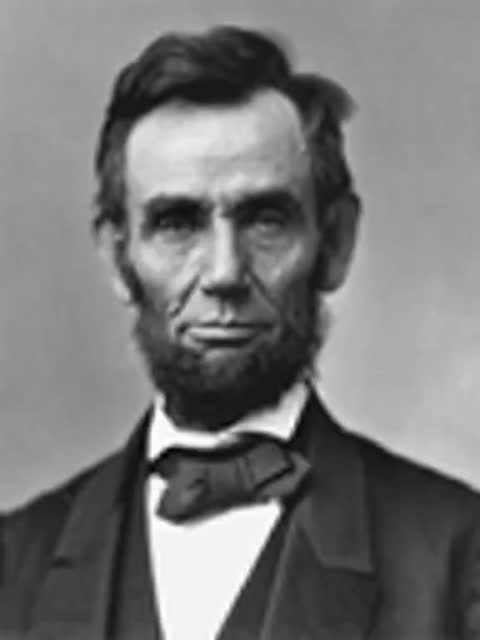
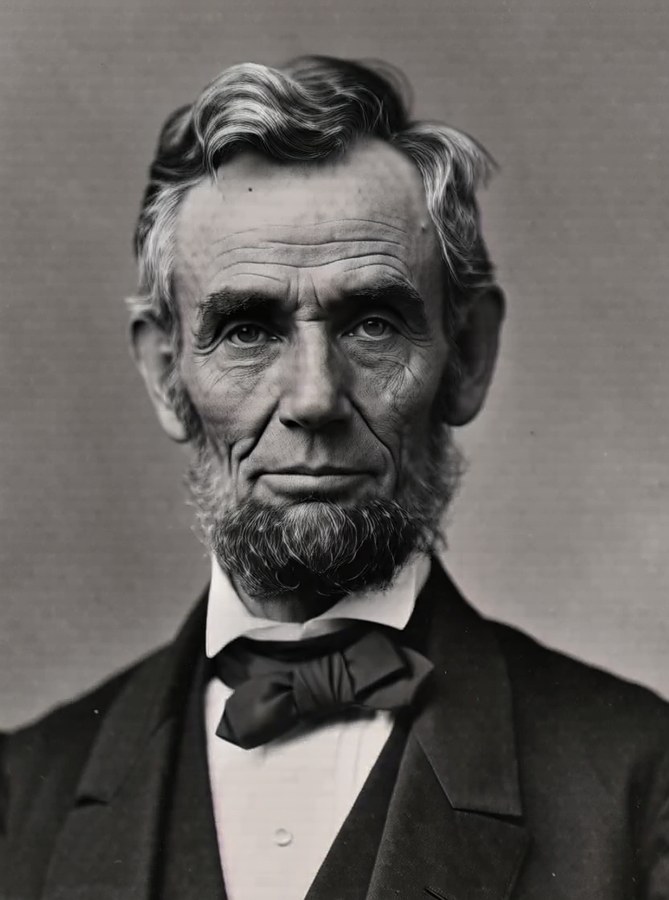
Result A low-resolution photographWhat went wrong. The face in this photograph is only a few dozen pixels tall. To rewrite ageing the model works from the skin texture, the structure around the eyes and the line of the jaw. When none of that is in the file, it guesses a face and paints the lines on top. The features land roughly in the right places and every detail is invented, which reads as somebody who merely looks a bit like the person. The test is simple: enlarge the photo until the face fills your screen, and if you cannot make out the corners of the eyes and mouth, neither can the model. Upscaling before you upload does not help, because scaling invents no information that was not there. Find the original file, or re-shoot the print.
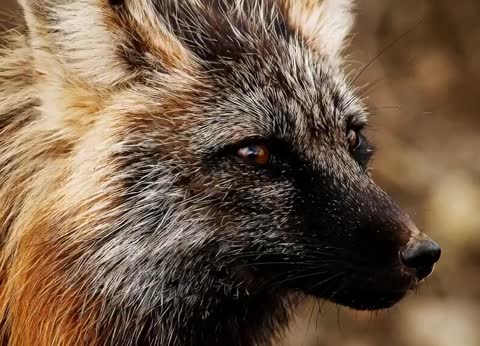
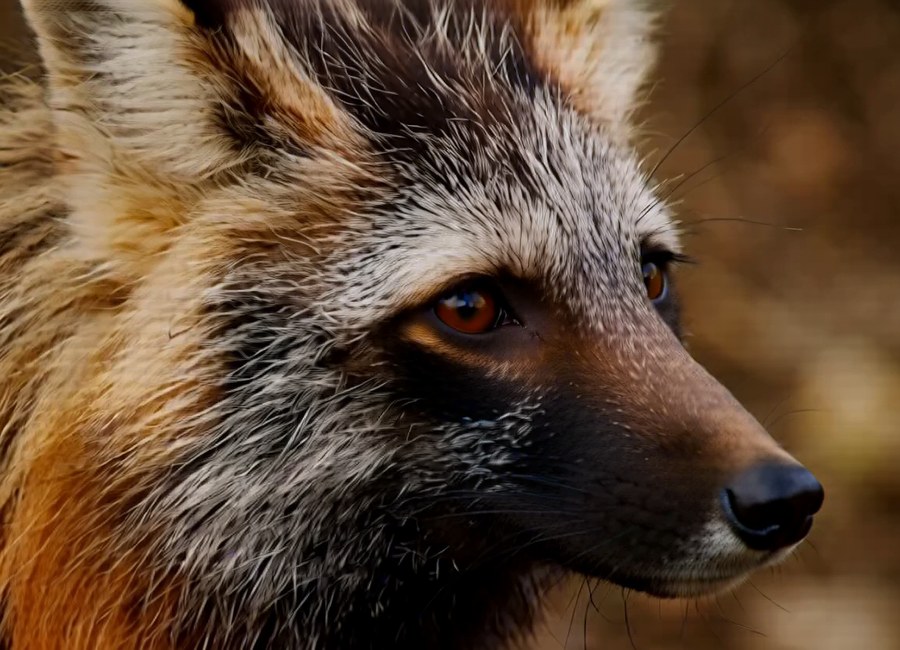
Result Not a human faceWhat went wrong. The whole instruction set describes how a human face ages: nasolabial folds, eye bags, a slackening jaw, hair going white. None of that has an equivalent on an animal, and the model does not refuse the job. It forces the description onto the fur, growing wrinkle-like texture and reshaping the area around the eyes into something human. This is also why a face detector runs on upload and stops you when it finds nothing. To make an animal photograph move, use Old Photo Motion, which has five motions written for animals.Source: Not a human face · Public domain · photo by Denali National Park and Preserve (NPS (origin)
Not shown here, but they break too
- Profiles Ageing is judged almost entirely from the front: nasolabial folds, eye bags, the jawline. A profile hides all of it, so the model guesses, and it usually guesses by turning the face towards the camera, which makes it somebody else
- Group photographs The instruction says "this person". With two faces in frame the model does not know which one, and it usually changes both, or invents a third. Crop to one person first
- Sunglasses The area around the eyes carries the most ageing information, and covering it removes half of what the model has to work with. Hats and masks do the same. Covered areas stay put while uncovered areas change, and the seam between them looks wrong
- Heavily retouched photographs A selfie smoothed until the pores are gone leaves no skin texture to rewrite, and the aged result looks like a sheet of wrinkles stuck on top
When it fails
Change the photograph before you change the age. Four times out of five the photograph is the problem, and a front-facing one with even light and a large face gives a completely different result. If the photograph is fine and the result still is not right, pull the target age back. A 40 year jump changes far more than a 10 year one, and leaves far more room to go wrong.