Eleven motions, eleven different photos, all produced by this site itself — no retouching,
no editing. On the left is the photo that went in; on the right is what came out forty seconds later.
Upload your own photo and you get exactly this kind of thing.
Every clip is 3 seconds generated, 6 seconds after the ping-pong loop, 24fps, no audio.
The output keeps the aspect ratio of the source photo — portrait in, portrait out.
Everything below is AI-generated motion, not real footage.
People
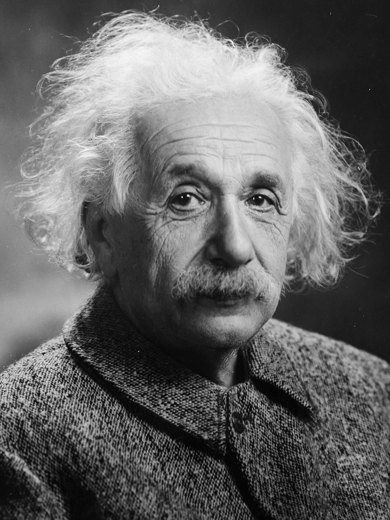
Original photoWhat comes out
Quiet breathingThe safest one. Blinking, shoulders rising and falling, a few strands of hair stirring — the face itself barely changes. Start here when the photo is dim, soft, or has glare on glasses.Source: Albert Einstein (1947) · Public domain · photo by Photograph by Orren Jack Turner , Prin (file)
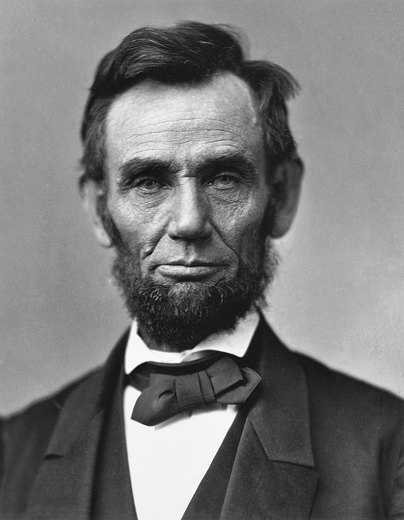
Original photoWhat comes out
Smile and nodOne blink, then a warm smile spreads and the head gives a small nod. The biggest visible change on a flat, expressionless ID-style portrait.Source: Abraham Lincoln (1863) · Public domain · photo by Alexander Gardner (file)
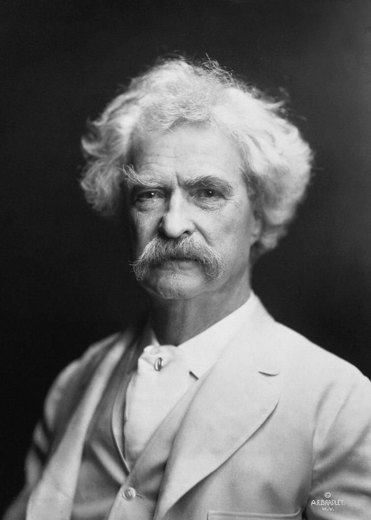
Original photoWhat comes out
Burst out laughingThe whole face opens up, eyes crease, shoulders shake. Works best when the mouth already has a hint of a smile; a completely deadpan face can come out stiff.Source: Mark Twain (1907) · Public domain · photo by A.F. Bradley, New York (file)
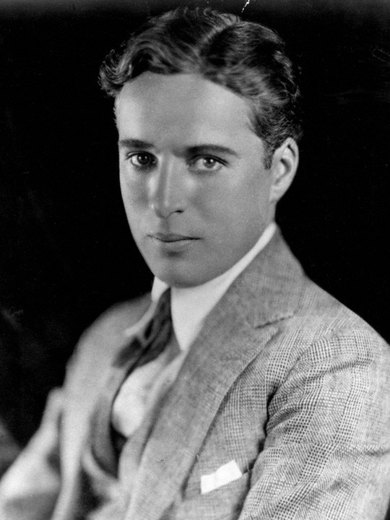
Original photoWhat comes out
Wave helloRaises a hand, waves twice, lowers it again. The largest motion of the set, so the photo needs room below the shoulders — half-body shots work far better than tight headshots.Source: Charlie Chaplin (c. 1920) · Public domain · photo by Strauss-Peyton Studio (file)
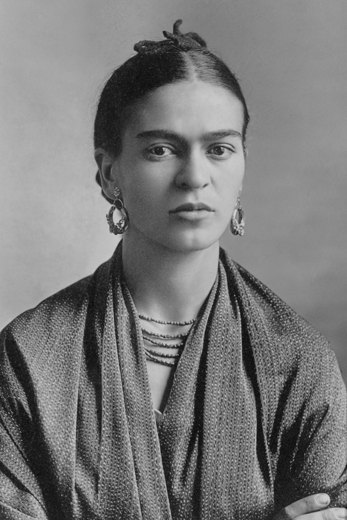
Original photoWhat comes out
Raised eyebrowLifts one eyebrow, then a slow knowing smirk and a slight head tilt. Needs visible eyebrows — if a fringe covers them, nothing reads.Source: Frida Kahlo (1932) · Public domain · photo by Guillermo Kahlo (file)
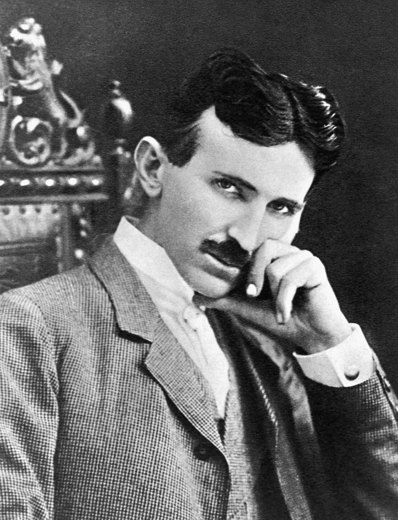
Original photoWhat comes out
Turn and lookTurns slowly from the side to face you, then smiles and blinks. Made for photos that are already in profile or three-quarter view.Source: Nikola Tesla (c. 1890) · Public domain · photo by Unknown author Unknown author (file)
Animals
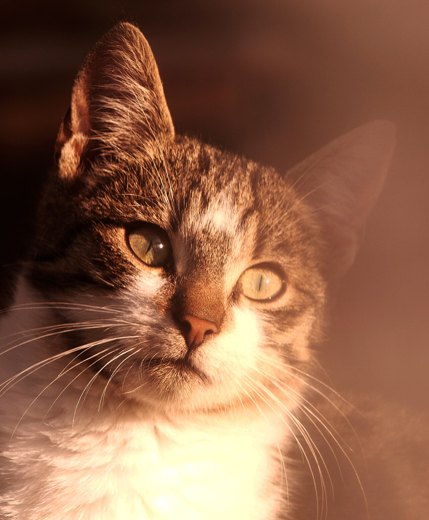
Original photoWhat comes out
Quiet breathingThe body rises and falls with breathing, a blink, a few hairs or feathers moving. The safest animal motion — works on any clear animal photo.Source: House cat · CC0 · photo by Alicja Koczaska photosynteza (file)
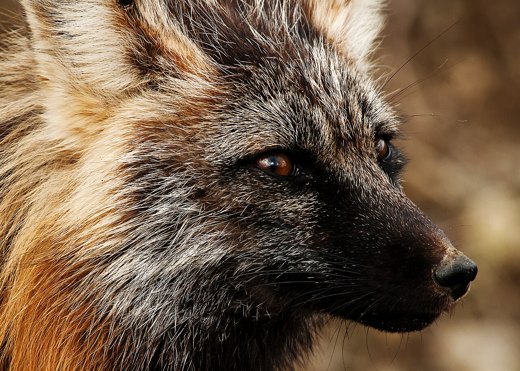
Original photoWhat comes out
Look aroundTurns its head to look left and right, blinking as it goes. Best on side-on birds, cats, dogs and foxes — you get that "it just noticed you" feeling.Source: Red fox · Public domain · photo by Denali National Park and Preserve (NPS (file)
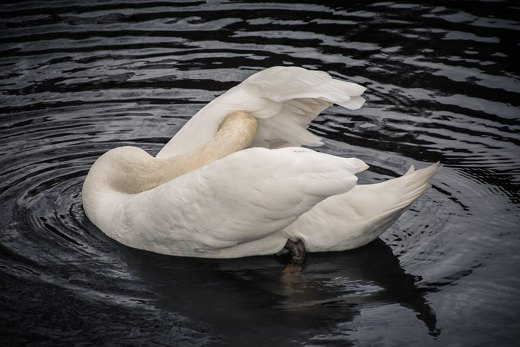
Original photoWhat comes out
PreenLowers its head to preen, lifts it again and shakes the coat back into place. Needs visible fur or feather detail; distant shots show nothing.Source: Trumpeter swan · CC0 · photo by Patrick Brinksma patrickbrinksma (file)
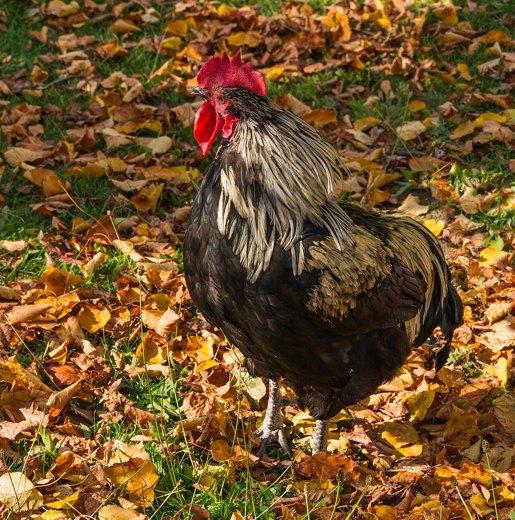
Original photoWhat comes out
Call outOpens its beak and calls twice, throat moving with it, then closes. Remember the output has no sound — this is the motion only.Source: Rooster · CC0 · photo by Jebulon (file)
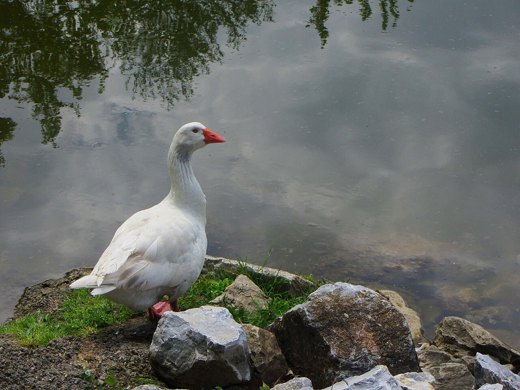
Original photoWhat comes out
Flap wingsSpreads its wings, flaps twice, folds them back without leaving the spot. The largest animal motion, so the wings need room in the frame.Source: Domestic goose · CC0 · photo by Делфина (file)
Where the source photos come from
All the portraits are public domain historical photographs (mostly taken between 1863 and 1947,
so copyright has long expired). The animal photos are CC0 or works of the US federal government.
The photographer and source file for each one is credited on the card above.
Historical figures make good demo material for three reasons: the licensing is clean, everyone can judge
whether the likeness holds, and there is no living person's publicity rights at stake. Even so, these clips
are generated motion — none of these people actually did these things. That is exactly why our
terms forbid using this service to make misleading fabrications.
Your uploads never appear on this page, and are never used for demos or promotion. See the
privacy policy.